
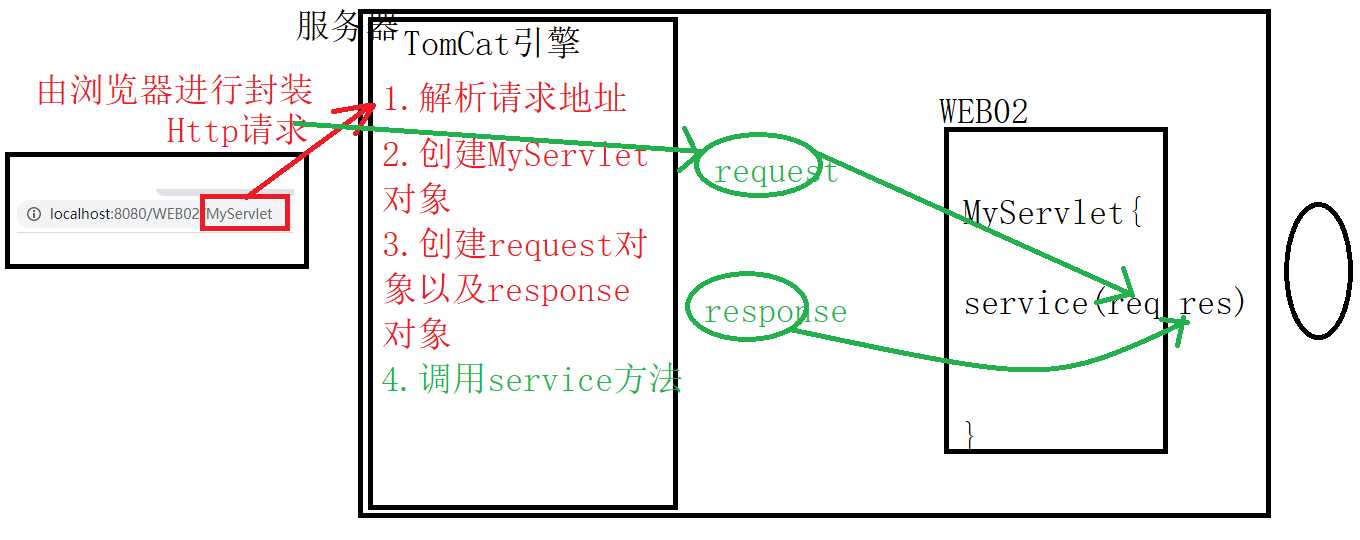
1)init(ServletConfig config)
何时执行:servlet对象创建的时候执行
ServletConfig : 代表的是该servlet对象的配置信息
2)service(ServletRequest request,ServletResponse response)
何时执行:每次请求都会执行
ServletRequest :代表请求 认为ServletRequest 内部封装的是http请求的信息
ServletResponse :代表响应 认为要封装的是响应的信息
3)destroy()
何时执行:servlet销毁的时候执行
1)Servlet何时创建
默认(服务器启动时)第一次访问servlet时创建该对象
2)Servlet何时销毁
服务器关闭servlet就销毁了
3)每次访问必然执行的方法
service(ServletRequest req, ServletResponse res)方法
问题:对XXXServlet进行了10次访问,init(),destory(),service(),doGet(),doPost() 一共执行力多少次?request对象创建几个?response创建几个?
init():一次 (创建时) destory():一次(销毁时) service():10次(运行一次创建一次) doGet(),doPost()属于 service()
request对象创建10个(运行一次创建一次) response创建10个(运行一次创建一次)
1)init()
2)doGet(HttpServletRequest request,HttpServletResponse response)
3)doPost(HttpServletRequest request,HttpServletResponse response)
4)destroy()
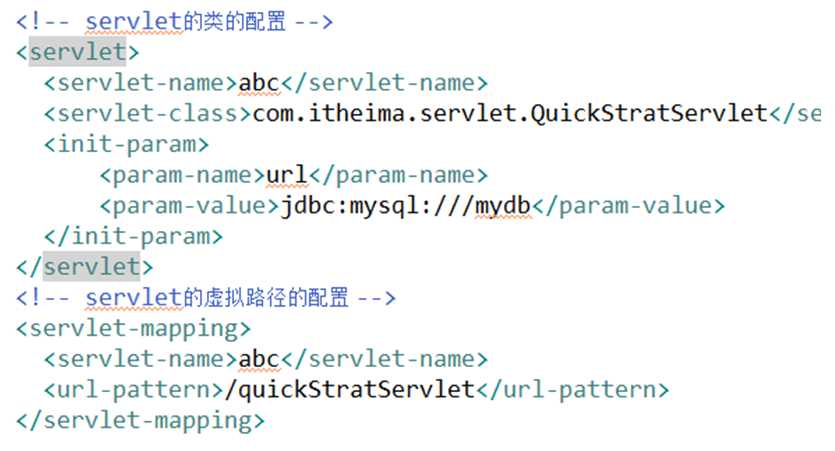
其中url-pattern的配置方式:
1)完全匹配 访问的资源与配置的资源完全相同才能访问到、

2)目录匹配 格式:/虚拟的目录../* *代表任意

3)扩展名匹配 格式:*.扩展名

注意:第二种与第三种不要混用
/aaa/bbb/*.abcd(错误的)
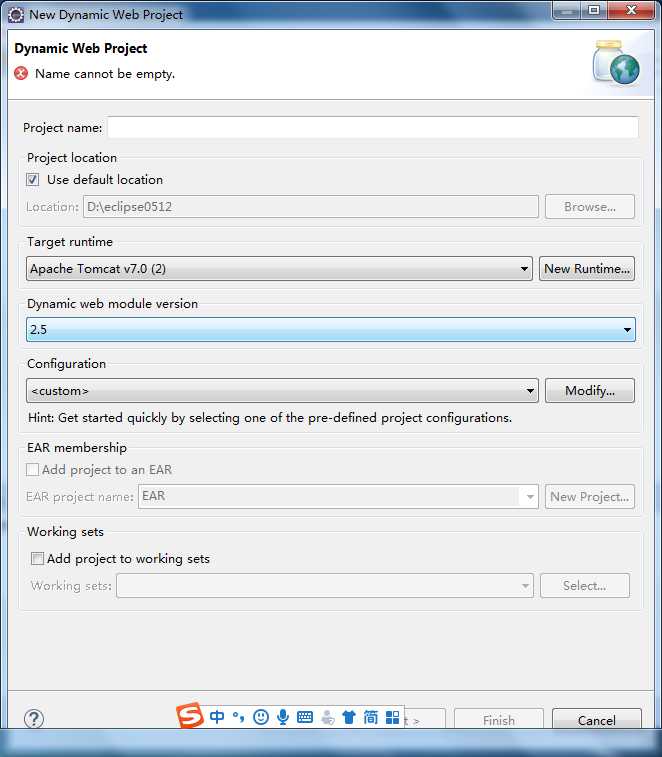
创建Dynamic Web项目
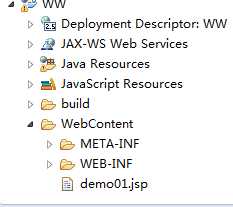
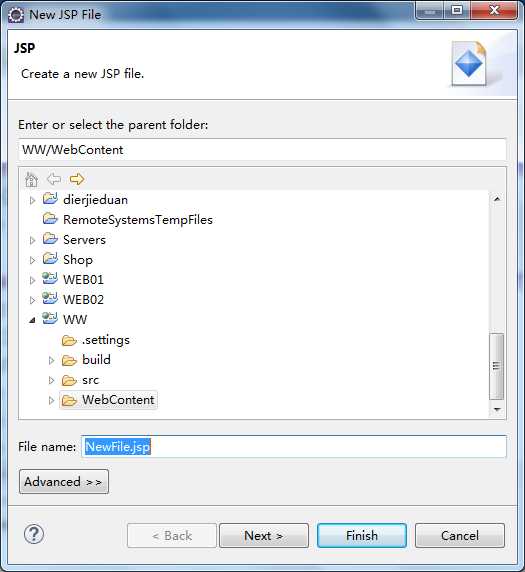
在Webcontebt里新建jsp文件

<%@ page language="java" contentType="text/html; charset=UTF-8"
    pageEncoding="UTF-8"%>
<!DOCTYPE html PUBLIC "-//W3C//DTD HTML 4.01 Transitional//EN" "http://www.w3.org/TR/html4/loose.dtd">
<html>
<head>
<meta http-equiv="Content-Type" content="text/html; charset=UTF-8">
<title>Insert title here</title>
</head>
<body>
  <form action="/WW/LoginServlet" method="post">
             用户名:<input type="text" name="uname"><br>
               密码:<input type="password" name="pwd"><br>
        <input type="submit" value="注册"><br>
    </form>
</body>
</html>
action="/WW/LoginServlet"需要运行的地址
LoginServlet页面
public class LoginServlet extends HttpServlet {
private UserService userService=new UserService();
    public void doGet(HttpServletRequest request, HttpServletResponse response) throws ServletException, IOException {
        String uname=request.getParameter("uname");
        String pwd=request.getParameter("pwd");
        int row=userService.login(uname, pwd);
        if(row>0){
            response.getWriter().write("chenggong");;
        }else{
            response.getWriter().write("shibai");
        }

    }

    public void doPost(HttpServletRequest request, HttpServletResponse response) throws ServletException, IOException {
        doGet(request, response);
    }
}
UserService页面
public class UserService {
private    UserDao userDao=new UserDao();
public int login(String uname,String pwd){
    int row=0;
    try {
    row=userDao.login(uname, pwd);
    } catch (SQLException e) {
        // TODO Auto-generated catch block
        e.printStackTrace();
    }
    return row;
}
}
UserDao页面
public class UserDao {
public int login(String uname,String pwd) throws SQLException{
    Connection conn=JDBCUtils.getConn();
    String sql="INSERT INTO USER (uname,pwd) VALUES(?,?) ";
    PreparedStatement pst=conn.prepareStatement(sql);
    pst.setString(1, uname);
    pst.setString(2, pwd);
    int row=pst.executeUpdate();
    JDBCUtils.close(conn, pst);
    return row;
}
}
JDBCUtils类
public class JDBCUtils {
 //获取连接对象
    public static Connection getConn(){
        Connection conn=null;
        try {
            Class.forName("com.mysql.jdbc.Driver");
            String url="jdbc:mysql://localhost:3306/shop?characterEncoding=utf8";
            String uname="root";
            String ped="123456";
            conn=DriverManager.getConnection(url,uname,ped);


        } catch (ClassNotFoundException e) {

            e.printStackTrace();
        } catch (SQLException e) {

            e.printStackTrace();
        }
        return conn;

}
    //释放资源方法
    public static void close(Connection conn,PreparedStatement pst){
        if(pst!=null){
            try {
                pst.close();
            } catch (SQLException e) {
                // TODO Auto-generated catch block
                e.printStackTrace();
            }
            }
        if(conn!=null){
            try {
                conn.close();
            } catch (SQLException e) {
                // TODO Auto-generated catch block
                e.printStackTrace();
            }
        }

    }
    //查询
    public static void close(Connection conn,PreparedStatement pst,ResultSet rs){
        if(pst!=null){
            try {
                pst.close();
            } catch (SQLException e) {
                // TODO Auto-generated catch block
                e.printStackTrace();
            }
        }
        if(conn!=null){
            try {
                conn.close();
            } catch (SQLException e) {
                // TODO Auto-generated catch block
                e.printStackTrace();
            }
        }
        if(rs!=null){
            try {
                rs.close();
            } catch (SQLException e) {
                // TODO Auto-generated catch block
                e.printStackTrace();
            }
        }
    }
}
public void doGet(HttpServletRequest request, HttpServletResponse response) throws ServletException, IOException {
response.getWriter().write("hello dandan...");//往客户端打印
}
public void init(ServletConfig arg0) throws ServletException {
//获取ServletName
System.out.println(arg0.getServletName());
//获取初始化参数
System.out.println(arg0.getInitParameter("driver"));
//ServerContext con=arg0.getServletContext();
System.out.println("Servlet创建了");
}
原文:https://www.cnblogs.com/haoduoyu0512/p/13494786.html